
Most surgeries go as planned. When one does not, the consequences are unusually severe. The StatPearls review Medical Error Reduction and Prevention, published on the National Institutes of Health NCBI Bookshelf, reports that errors in surgery carry the highest risk of severe patient injury and death, and that intraoperative errors are estimated to be the primary issue in 75 percent of malpractice cases involving surgeons. If a surgical error injured you or delayed your recovery, you may have a Florida medical malpractice claim. Weinstein Legal Team offers a free consultation and works on a contingency fee, which means no attorney fee unless we recover for you. You will not owe attorney's fees or costs unless we recover for you.
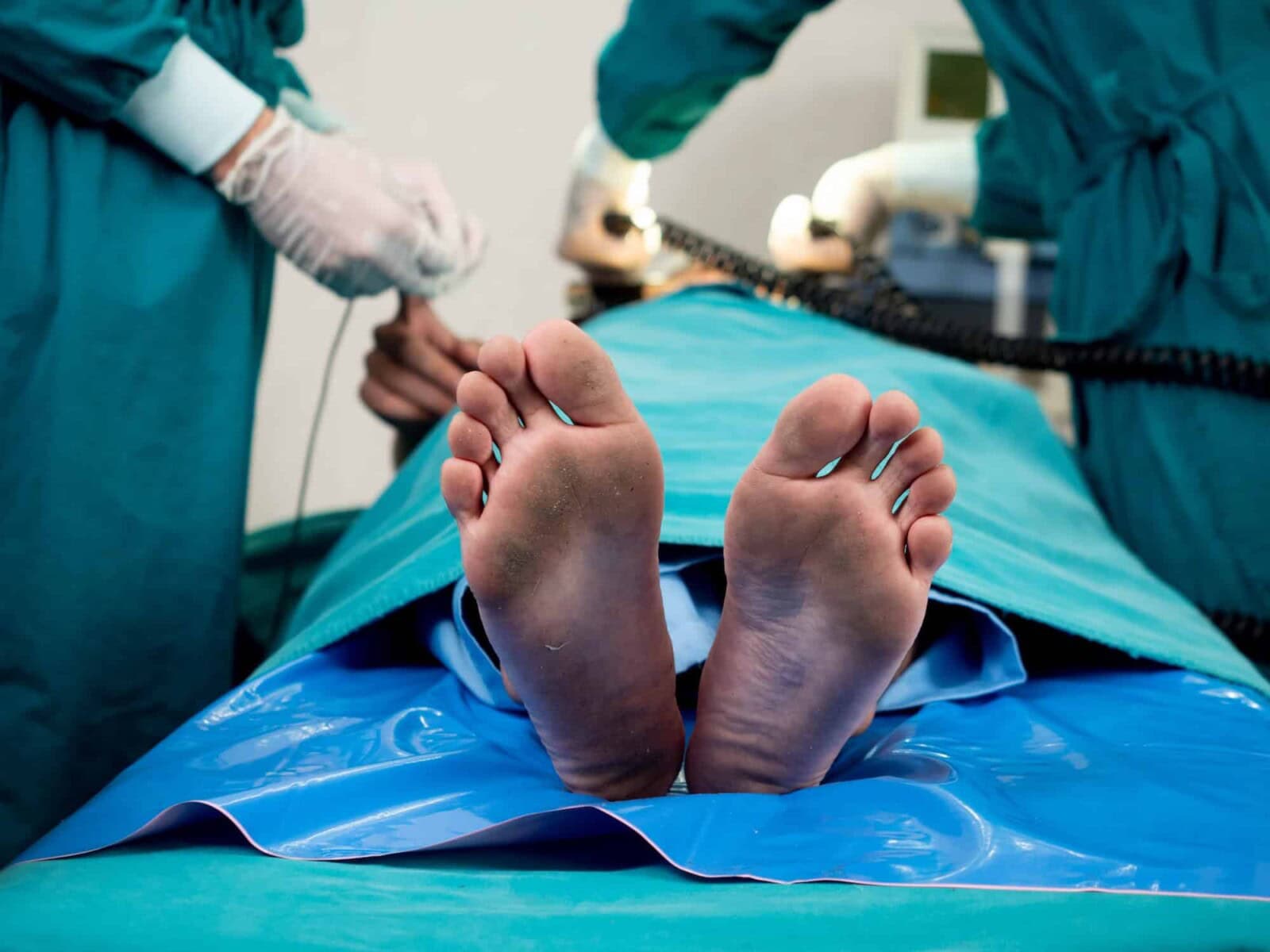
What is a Surgical Error?
Surgical errors are preventable mistakes made by a doctor or member of the surgical team during a surgical procedure. Surgical errors don't necessarily worsen your immediate condition and they may not be detected for a long period of time. In fact, the surgery may be otherwise successful, but the surgeon left an implement inside of you, and that causes you problems down the road.
What Causes Surgical Errors?
Surgical errors can result for a number of reasons. For example, the surgeon may have received incorrect information about the patient from the patient's primary care physician or another specialist. There are also times when a member of the surgical team is fatigued. Additionally, some surgeons and surgical nurses have substance abuse problems, which impedes their performance. We can also never rule out general incompetence on the part of one or more members of the surgical team. A surgical error should not be confused with an unfavorable outcome. There are times when the surgery is error-free, but the desired outcome isn't achieved. That may still be grounds for a medical malpractice claim, depending on the facts, but it is not a surgical error. A bad outcome alone is not malpractice. The question is whether the care fell below the accepted standard of care.
What Are the Most Common Surgical Errors?
The most frequently reported surgical errors are anesthesia errors, nerve damage, sponges or instruments left inside the patient, and surgery on the wrong body part or the wrong patient.
Anesthesia Errors
Anesthesia is one of the riskiest parts of surgery. An anesthesiologist is a licensed physician, but in Florida anesthesia is also administered by certified registered nurse anesthetists licensed under Florida Statute 464.012 and by anesthesiologist assistants, who under Florida Statute 458.3475 may only practice under the direct supervision of an anesthesiologist. An error at any of those levels, in dosing, in airway management or in monitoring, can injure a patient.
Nerve Damage
The nervous system is incredibly complex, and even a minor miscalculation can cause an injury. Common signs of nerve damage during surgery are numbness, pain, loss of strength, and loss of mobility.
Sponges or Implements Left Inside Patient
Doctors and surgical nurses sometimes fail to remove implements or sponges from the inside of their patients before closing. This can lead to infections or other complications as time passes.
Removing or Operating on the Wrong Body Part
Wrong-site and wrong-procedure surgery is classed as a never event, meaning it is not supposed to happen at all. The StatPearls review attributes these to miscommunication, inadequate or changing staffing, cognitive error, and clinicians feeling rushed or distracted, which is why the preoperative time-out exists. The damage is often irreversible, and the correct procedure still has to be performed.
These are among the most commonly reported surgical errors, not a complete list.
How Can a Medical Malpractice Attorney Help?
Florida puts hard deadlines and a formal presuit process in front of a surgical error claim. Under Florida Statute 95.11(5)(c) you have two years from the incident, or from when you discovered or should have discovered it, and in no event more than four years from the date of the incident. Before filing, Florida Statute 766.203(2) requires a verified written medical expert opinion corroborating the claim, and Florida Statute 766.106(3) requires you to give the prospective defendant 90 days to investigate before suit, during which the limitations period is tolled. A medical malpractice lawyer in Florida handles that presuit work. A medical malpractice attorney can help you in the following ways:
- Subpoena all medical records pertaining to your surgery
- Consult medical experts to determine the degree of liability on the part of the surgical team
- Assess the financial impact of the surgical error to calculate a full settlement amount
- Negotiate with the insurance company
- Oversee all aspects of your legal case so you can work on your physical recovery.
- Prepare a legal case should you have to pursue damages through litigation.
Frequently Asked Questions About Surgical Errors
The following are some of the most commonly asked questions about surgical errors and the answers provided by Weinstein Legal Team's personal injury team.
What's the Difference Between a Surgical Error and a Bad Result?
Your doctor should explain to you the possible results of the procedure as well as the risks involved and the likelihood of achieving success. If your surgery went as expected, but you didn't have the outcome you were hoping for, a surgical error may not have been responsible.
Why Do I Need a Lawyer?
Medical malpractice is the most procedure-heavy corner of personal injury. The presuit affidavit alone means a lawyer has to line up a qualified medical expert before the case can be filed, and the two-year clock in Florida Statute 95.11(5)(c) runs the whole time. Weinstein Legal Team handles personal injury matters in Broward, Palm Beach and Orange counties on a contingency fee, so there is no attorney fee unless we recover for you. You will not owe attorney's fees or costs unless we recover for you. Contact Weinstein Legal Team today.