Personal Injury Protection is required on Florida auto policies and pays regardless of fault. Under Florida Statute 627.736(1)(a), PIP pays 80 percent of reasonable expenses for medically necessary care, but only if you receive initial services and care within 14 days after the crash. Miss that window and the benefit is gone, however real the injury is. The $10,000 limit is conditional too: Florida Statute 627.736(1)(a)3. allows the full $10,000 only where a physician, dentist, physician assistant or advanced practice registered nurse has determined that you had an emergency medical condition, and Florida Statute 627.736(1)(a)4. caps reimbursement at $2,500 where a provider determines that you did not.
Emergency services, hospital care, surgery, imaging and follow-up visits are covered when they are medically necessary and related to the crash. Alternative therapies are a different question, and for two of them Florida answers it in the statute rather than leaving it to the insurer. Keep reading for where the line falls in a personal injury protection claim.
What Is Alternative Medicine?
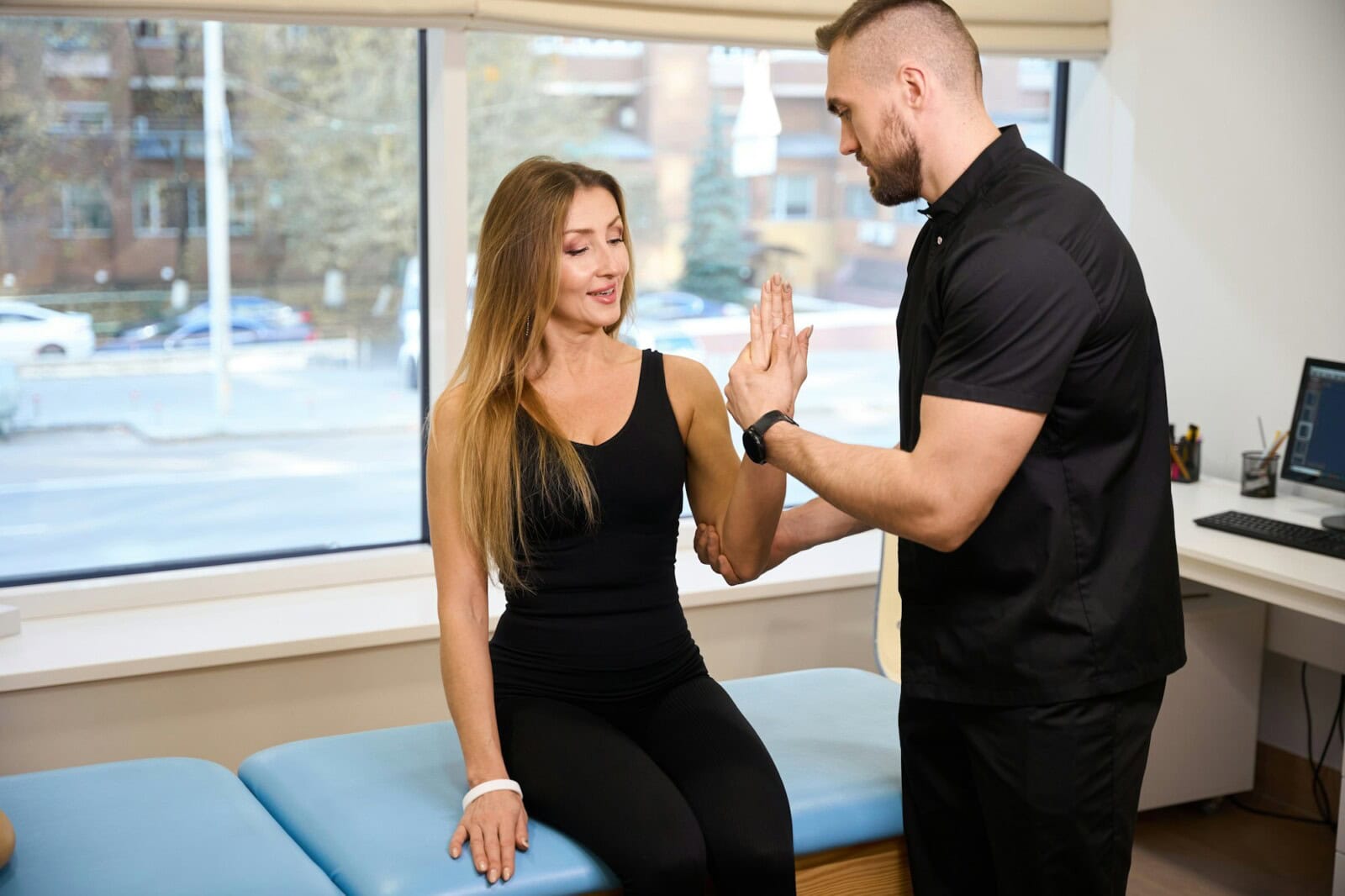
Alternative medicine refers to medical treatments and practices that are not part of mainstream healthcare. These therapies often take a holistic approach to healing, focusing on the body's natural ability to recover and maintain wellness.
Unlike conventional medicine, alternative medicine emphasizes natural remedies and non-invasive techniques. Alternative therapies can be broadly categorized into several groups:
- Traditional Healing Systems: Practices like Traditional Chinese Medicine and Ayurveda
- Mind-Body Interventions: Techniques such as meditation and yoga
- Biologically-Based Practices: Herbal medicine and dietary supplements
- Manipulative and Body-Based Methods: Chiropractic care and massage therapy
- Energy Therapies: Practices like Reiki and acupuncture
Alternative Therapies Covered by PIP
Some alternative therapies are more likely to be covered by PIP than others, often due to their growing acceptance in mainstream medical circles and demonstrated efficacy in treating certain conditions.
Chiropractic Care
Chiropractic care is covered. Florida Statute 627.736(1)(a)1. names a chiropractic physician licensed under chapter 460 as one of the providers who can deliver the initial services and care that trigger PIP, and Florida Statute 627.736(1)(a)2. lets a chiropractic physician provide follow-up care after a referral. Chiropractic treatment addresses mechanical disorders of the musculoskeletal system, particularly the spine.
There is a catch worth knowing before treatment starts. Florida Statute 627.736(1)(a)3. lists the providers who can make the emergency medical condition determination that unlocks the full $10,000, and a chiropractic physician is not on that list. If your care after a car accident is chiropractic only and no listed provider documents an emergency medical condition, your PIP benefits stop at $2,500 under Florida Statute 627.736(1)(a)4. Covered chiropractic care can include spinal adjustments, manual therapy and exercise for neck pain after a crash, back pain, or reduced range of motion.
Alternative Therapies with Limited or No PIP Coverage
While some alternative therapies are commonly covered by PIP, others face more challenges in gaining acceptance from insurance providers.
Acupuncture
Acupuncture is excluded by statute, not by insurer preference. Florida Statute 627.736(1)(a)5. states that PIP medical benefits do not include acupuncture as defined in Florida Statute 457.102, regardless of who provides it, and that a licensed acupuncturist may not be reimbursed under the section at all. That is an absolute bar, so a physician referral will not move it. Acupuncture may still help with the chronic pain and musculoskeletal injuries that follow a crash, but you will be paying for it another way.
Massage Therapy
Massage therapy is excluded by the same subsection. Florida Statute 627.736(1)(a)5. says PIP medical benefits do not include massage therapy as defined in Florida Statute 480.033, regardless of the person, entity or licensee providing it, and that a licensed massage therapist may not be reimbursed under the section. A doctor can still recommend massage for soft tissue injuries and muscle tension after a crash, but the recommendation does not make PIP pay for it.
Massage therapy can help reduce inflammation, improve circulation, and promote faster healing in car accident victims.
Herbal Medicine and Supplements
Herbal medicines and dietary supplements are generally not covered by PIP insurance. This is primarily because these products are not regulated by the FDA in the same way as prescription medications, and their efficacy and safety profiles can vary widely.
In rare cases, certain herbal remedies or supplements might be covered if prescribed by a licensed medical professional as part of a comprehensive treatment plan. However, this is the exception rather than the rule.
Naturopathy and Homeopathy
Naturopathy and homeopathy are holistic approaches to healing that focus on stimulating the body's natural ability to heal itself. These practices often face significant challenges in gaining coverage under PIP insurance due to the lack of scientific consensus on their efficacy and the absence of standardized treatment protocols.
In some cases, specific treatments or therapies recommended by a naturopathic doctor might be covered if they align with more accepted medical practices. However, homeopathic remedies and many naturopathic treatments are typically not eligible for PIP coverage.
Other Therapies with Limited Coverage
Other alternative therapies that may face challenges in PIP coverage include:
- Aromatherapy
- Reflexology
- Hypnotherapy
- Energy healing practices (e.g., Reiki)
- Biofeedback
These therapies often lack the scientific evidence or mainstream acceptance required for insurance coverage. However, coverage can vary depending on the specific circumstances and the insurance provider's policies.
Advocating for Alternative Treatment Coverage
While some alternative treatments may not be automatically covered by PIP, claimants can take steps to advocate for coverage of non-traditional therapies under other insurance. The key is to demonstrate the medical necessity and potential benefits of the proposed treatment.
Here are specific steps a claimant can take to advocate for alternative treatment coverage:
- Obtain a written referral from your primary care physician or specialist
- Gather scientific studies supporting the efficacy of the treatment for your specific condition
- Request a peer-to-peer review between your doctor and the insurance company's medical advisor
- Provide detailed documentation of your injury and how the alternative treatment is expected to improve your condition
- Consider seeking a second opinion from another medical professional to support your case
Working with healthcare providers to clearly document the rationale for alternative treatments is also important. This documentation should include details about the injury, the proposed treatment plan, expected outcomes, and any supporting research or evidence of the treatment's efficacy for similar conditions.
Legal Considerations and Disputes
Most PIP disputes over alternative treatment come down to medical necessity, and Florida defines the term. Under Florida Statute 627.732(2), medically necessary means a service or supply that a prudent physician would provide to prevent, diagnose or treat an illness, injury, disease or symptom in a way that is in accordance with generally accepted standards of medical practice, clinically appropriate in type, frequency, extent, site and duration, and not primarily for the convenience of the patient, physician or other health care provider. Massage and acupuncture sit outside that fight, because Florida Statute 627.736(1)(a)5. excludes them whether or not they are medically necessary.
Insurance companies may challenge the medical necessity of alternative treatments, arguing that they are experimental or not supported by sufficient scientific evidence. In such cases, the burden often falls on the claimant and their healthcare providers to demonstrate the treatment's necessity and effectiveness.
Maximizing Your PIP Benefits
Start by reading your own PIP policy for what it covers and excludes, then check it against Florida Statute 627.736(1)(a), which sets the floor no Florida policy can go below. Don't hesitate to ask your insurance provider for clarification on coverage for specific alternative therapies.
Maintain detailed records of all treatments, including dates, providers, costs, and how they relate to your accident-related injuries. That record is what an appeal or a lawsuit gets built from if the insurer denies the claim.
Talk to a PIP attorney early, before the 14-day window in Florida Statute 627.736(1)(a) closes and before the emergency medical condition question gets decided by whoever happens to be treating you. Both are far easier to get right at the start than to fix on appeal.
Speak with a PIP Attorney About Your Case
PIP coverage is harder to use than it looks, and harder still if part of your treatment plan is an alternative therapy that Florida Statute 627.736(1)(a)5. excludes outright.
The attorneys at Weinstein Legal Team handle PIP claims and PIP denials for Florida drivers and passengers, from the first bill through litigation if the insurer will not pay.
Call us now at 888-626-1108 or click here to schedule a free case review with an experienced Florida personal injury attorney.