
Florida has used a single statewide bond schedule since January 1, 2024. House Bill 1627 (2023) became chapter 2023-27, Laws of Florida, and rewrote Florida Statute 903.011 so that the Florida Supreme Court, rather than each county, sets the bond amounts that apply before a first appearance.
Under Florida Statute 903.011(5)(a), the Supreme Court must adopt a uniform statewide bond schedule every year and make it available to each judicial circuit. The same law set out which arrestees cannot be released at all until a judge sees them.
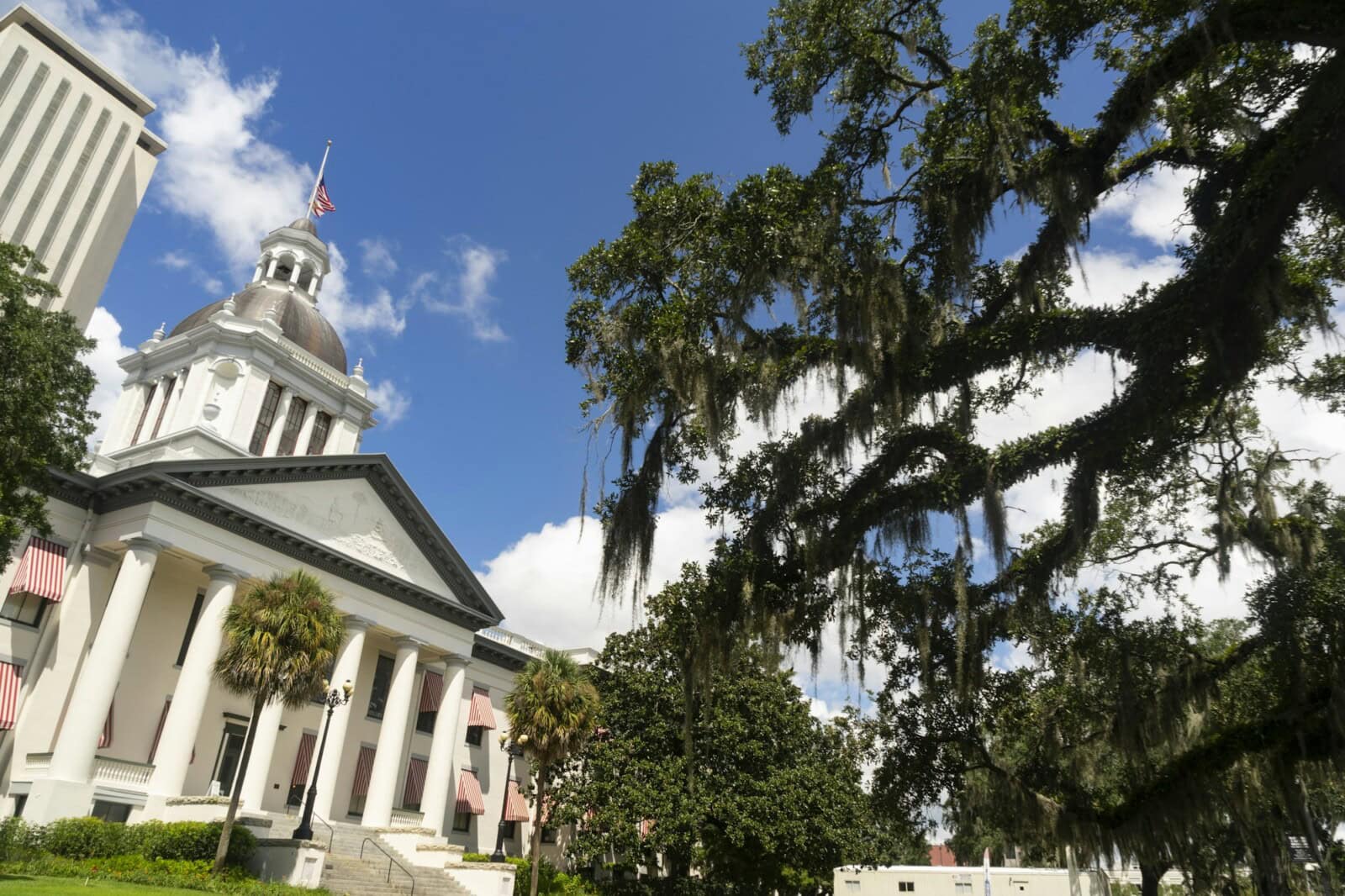
Bond amounts for the same charge used to differ from one county to the next. Florida's bail rules now start from one schedule adopted by the Florida Supreme Court, and Florida Statute 903.011(5)(f) still leaves a judge free to set a different bond in an individual case at first appearance.
The Historical Context of Bail Laws
Until 2024, each judicial circuit set its own bond schedule, so the bond for the same charge depended on where the arrest happened. Florida Statute 903.011 replaced those local schedules as the starting point.
Bail laws aim to balance two competing interests: ensuring defendants show up for their court dates while protecting the community from potential harm. Over time, the state has repeatedly adjusted its policies for releasing and detaining defendants in pretrial detention to reflect changing societal values and priorities.
What Are The Key Changes In House Bill 1627?
The uniform statewide bond schedule binds the courts, not the arresting agency. A jail can release someone on the scheduled amount before first appearance, but only for offenses that are on the schedule and only if the arrestee is not covered by Florida Statute 903.011(6).
Chapter 2023-27 made these changes to Florida Statute 903.011:
- The Florida Supreme Court adopts a uniform statewide bond schedule every year and it applies before first appearance, under s. 903.011(5)(a)
- A chief judge may not set a local schedule lower than the statewide one unless the Supreme Court approves it, under s. 903.011(5)(b) and (5)(c)
- A chief judge may raise a bond above the statewide amount with no approval at all, under s. 903.011(5)(d)
- Seven categories of arrestee, including anyone whose current charge is a capital, life, first-degree or second-degree felony, may not be released before first appearance, under s. 903.011(6)
- A judge may revoke pretrial release and order detention on finding probable cause that the defendant committed a new crime or materially violated a release condition, under s. 903.0471
Florida Statute 903.011(6) lists who has to wait for a judge. It covers a person who was on pretrial release, probation or community control at the time of the arrest, a registered sexual offender or sexual predator, a person arrested for violating a protective injunction, a person arrested three or more times in the previous six months, and anyone whose current charge is a capital, life, first-degree or second-degree felony. For those defendants a judge sets bond individually using the criteria in Florida Statute 903.046(2).
Court Procedures And Defendant Appearances
Under Florida Statute 903.011(4), only a judge may set, reduce or otherwise alter bail. If you cannot post the monetary bond, that same subsection lets you or the court ask for it to be reconsidered. Florida Statute 903.046(1) states the two things the judge is weighing: making sure you appear at later proceedings, and protecting the community from unreasonable danger.
Local Enforcement And Bond Schedules
Local schedules did not disappear. A chief judge can still adopt one, but Florida Statute 903.011(5)(b) bars a local schedule that goes below the statewide amount unless the Supreme Court approves it under (5)(c), while (5)(d) lets a chief judge raise an amount with no approval.
Pretrial detention is governed separately by Florida Statute 907.041. That section creates a presumption in favor of release on nonmonetary conditions, and the presumption does not apply to a defendant charged with a dangerous crime as defined in Florida Statute 907.041(5).
Controversies And Public Safety Concerns
By standardizing the bail bond schedule, the bill aims to eliminate disparities and potential biases in the pretrial detention system, thereby promoting a more equitable legal process. However, some Floridians have raised concerns about potential threats to public safety.
Public Safety And Dangerous Offenders
Dangerous offenders, such as sex offenders and violent career criminals, are at the center of these fears. Some critics argue that relaxing bail requirements could make it easier for these high-risk individuals to return to their communities before trial, ultimately posing a danger to community members.
Not every part of chapter 2023-27 loosened bail, but the restriction is not the one usually described. The statewide schedule is a floor for chief judges, not for individual cases: Florida Statute 903.011(5)(f) says the schedule does not bind a judge conducting a first appearance hearing or a bail determination. What the law does restrict is early release. A person charged with a capital, life, first-degree or second-degree felony, a person already on probation or pretrial release, and a registered sexual offender or predator all have to wait for a judge under Florida Statute 903.011(6) instead of bonding out on the schedule.
Community Response And Adjustments
As with any legal reform, the impact of the changes to the bail system will depend on how they are implemented and the extent to which communities and justice systems can adapt. Community reactions to these changes have been varied, with supporters highlighting the potential benefits for those who cannot afford high bail amounts.
If you are trying to work out what bond applies to a specific charge, the number that matters is the one the judge sets at first appearance, not the number on the schedule. Florida Statute 903.046(2) lists what the judge weighs, including the weight of the evidence, your ties to the community, your record of appearing in court, the source of the money used to post bond, and whether there is probable cause to believe you committed a new crime while on release.
Have You Been Charged With A Crime In Florida?
If you or a loved one has been charged with a crime in Florida and are seeking pre-trial release, it’s important to speak with an attorney as soon as possible. An experienced criminal defense attorney will advocate on your behalf and fight for the lowest possible bail at your first court hearing.
Click here to schedule a free consultation with an experienced criminal lawyer at Weinstein Legal Team, or give us a call at 888.626.1108 to speak with an attorney right away.